
How to Measure and Treat Central Sensitization in the Clinic

How to Measure and Treat Central Sensitization in the Clinic
This course includes
The instructors
Overview:
Dr. Sinead Dufour and Carolyn Vandyken are joined by three international clinicians and researchers for this online course that examines the question:
How do we measure Central Sensitization in the clinic and what is its clinical relevance?
Research is clear that central pain mechanisms are a significant contributor to persistent pain, captured in the concept of nociplastic pain.
Nociplastic pain helps us to understand conditions such as:
- Fibromyalgia
- Idiopathic low back pain
- Complex regional pain syndrome
- Migraine and tension headaches
- Whiplash associated disorders
- Osteoarthritis
- MSK pain
- TMJ pain/dysfunction
- Most pelvic pain conditions
However, there is significant uncertainty about how to best assess nociplastic pain in the clinic.
Is quantitative sensory testing a useful and practical construct for clinical practice? What about the use of the Central Sensitivity Inventory (CSI)?
Does the CSI have good reliability and validity, and does it measure what we think it measures?
Beyond measuring central sensitivity, how do we phenotype nociplastic pain to address sensitivity with precision in clinical practice? How can we effectively incorporate psychosocial distress questionnaires?
We seek to update you on both the most recent research in this arena, as well as how to translate this research into clinical practice.
Session 1: Setting the Stage
Recorded on January 28, 2022
In this session, Sinead Dufour and Carolyn Vandyken will explore fundamental questions including:
- What is the definition of nociplastic pain?
- What do we currently know about central sensitization and why is nociplastic pain a better term?
- What is the difference between nociception, neuropathic pain and nociplastic pain?
- How do we measure nociplastic pain, including the Central Sensitivity Inventory (CSI), Pain DETECT questionnaire, Orebro questionnaire, Quantitative Sensory Testing (QST), Keith Smart's Odds Ratio predictors, and Central Sensitivity Syndromes?
- What are the limitations of these clinical tools?
If you are a new clinician or new to the topic of central sensitization, this session will provide the foundation required to fully engage with sessions 2 and 3.
Session 2: Precision Rehabilitation for Central Pain Mechanisms
Recorded on February 25, 2022
Dr. Judith Thompson from Australia and Jilly Bond from Wales will be our special guests on this segment. They will help us get curious and reflect on how therapists on three different continents integrate questionnaires to phenotype central pain mechanisms.
Phenotyping may allow for increased precision in rehabilitation. Once nociplastic pain is recognized using the CSI and other measures as discussed in Segment 1, there seems to be a significant push back regarding how to use psychosocial distress questionnaires to further guide treatment. “Is it in my scope of practice?” is a common question we hear. We would like to set the stage for having an interactive conversation on this hotly debated topic.
Session 3: Our “Current Tools” aren’t Perfect but they are a BIG Step Forward
Recorded on March 11, 2022
We are joined by Dr. Martin Rabey from New Zealand for this final session to translate knowledge of nociplastic pain into effective clinical practice. What is the role of quantitative sensory testing in correlation with self-report measures? What does the research say? How do we apply this to our clinical practice?
Dr. Rabey will lead an informative discussion on why we need multiple measures to effectively profile and phenotype nociplastic pain in different people.
How do we use the International Association for the Study of Pain's (IASP) guidelines of different pain mechanisms to assess whether a peripheral approach is going to work, or whether we need a whole-person central approach that addresses psychological, immunological, cognitive and endocrine drivers?
This last session will put it all together, providing advice and guidelines that can be implemented to enhance clinical practice.
Session 4: Final Wrap Up (Bonus!)
The instructors

BHSc (PT), CredMDT, CCMA
Carolyn is the co-owner of Reframe Rehab, a teaching company engaged in breaking down the barriers internationally between pelvic health, orthopaedics and pain science. Carolyn has practiced in orthopaedics and pelvic health for the past 37 years. She is a McKenzie Credentialled physiotherapist (1999), certified in acupuncture (2002), and obtained a certificate in Cognitive Behavioural Therapy (CBT) in 2017.
Carolyn received the YWCA Women of Distinction award (2004) and the distinguished Education Award from the OPA (2015). Carolyn was recently awarded the Medal of Distinction from the Canadian Physiotherapy Association in 2021 for her work in pelvic health and pain science.
Carolyn has been heavily involved in post-graduate pelvic health education, research in lumbopelvic pain, speaking at numerous international conferences and writing books and chapters for the past twenty years in pelvic health, orthopaedics and pain science.

PT, PhD
Dr. Sinéad Dufour is an Academic Clinician who shares her time between clinical and academic pursuits. Academically, Sinéad is an Associate Professor at McMaster University and serves as content expert in perinatal care, pelvic health and pain science with FIFA Medical. Her current research interests include conservative approaches to optimize pelvic floor function (including innovative technologies), pregnancy-related pelvic-girdle pain, interprofessional collaborative practice models of service provision to enhance pelvic health and perinatal fitness for elite athletes.
Clinically, Sinéad serves as the Chief Clinical Officer of Compass Rose Pelvic Health, an international virtual physiotherapy company she co-founded, with a mandate to guide clients on their journey to pelvic health creation through a bio-psycho-social-spiritual lens. Sinéad is also a founding partner of The WOMB (World of my Baby) a company with six locations providing Ontarians with optimized perinatal (and beyond!) care. Sinéad is a fierce advocate who has and continues to dedicate her time to organizations that aim to improve perinatal care, pain care and pelvic health services including: The Society of Obstetricians and Gynecologists of Canada, The Canadian Society of Pelvic Medicine, Lansinoh International, and Urospot (Canada & UK).
A clinician, researcher and educator, Sinéad brings experience, credibility and passion into all of her teaching and is a well-recognized speaker at conferences around the world.
Relevant Links:
IG: @dr.sinead
IG: @compassrosepelvichealth
https://healthcare.lansinoh.com/pages/clinical-advisory-network
Material included in this course
-
Session 1: Setting the Stage
-
Welcome and Resources
-
Slides
-
Introduction
-
What Is Pain?
-
A Note About Questionnaires/Outcome Measures
-
Central Sensitization
-
Overlapping Pain Classifications
-
What Do We Know?
-
Our Role as Clinicians
-
Central Pain Mechanisms
-
Session 1 Feedback
-
Continue learning!
-
Session 2: Precision Rehabilitation for Central Pain Mechanisms
-
Session 2 Slides: Jilly Bond (6 slides per page)
-
Session 2 Slides: Dr. Judith Thompson (3 slides per page with notes section)
-
Session 2 Slides: Dr. Judith Thompson (2 slides per page)
-
Session 2 Slides: Jilly Bond (2 slides per page)
-
The Fremantle Perineal Awareness Questionnaire
-
The Fremantle Awareness Questionnaire
-
The Pelvic Pain Psychological Screening Questionnaire (3PSQ)
-
Questionnaire Scoring Summary Sheet
-
Sample Intake Questionnaire
-
Case Study #1 - Phase 1: Assessment
-
Phase 2: Desensitization
-
Phase 4: Functional Restoration
-
Phase 5: Supported Independence
-
Framework for a Biopsychosocial Approach
-
Using Questionnaires to Create a Psychologically Informed Practice
-
Case Study #2 - BioPsychoSocial Physiotherapy
-
Interoception & Resilience
-
Questions
-
Session 2 Feedback
-
Session 3: Our “Current Tools” aren’t Perfect but they are a BIG Step Forward
-
Session 3 Slides
-
Introduction
-
Classification of Pain
-
Case #1
-
A Tale of Two Delphi Studies
-
Assessing Nociceptive Processing
-
The Snowflake Analogy
-
Case #2
-
Management of Pain in the Sacroiliac Joint Area
-
Questions
-
Session 3 Feedback
-
Session 4: Final Wrap Up
-
Session 4 Slides
-
Case Study Revisited
-
Takeaways
-
Labels VS Diagnosis
-
Case Study: Robin
-
Quantative Sensory Testing
-
Clinical Reasoning
-
Care Framework
-
Follow-up with Robin
-
Questions
-
Conclusion
-
Written Q&A
-
Session 4 Feedback
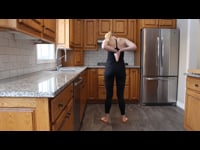
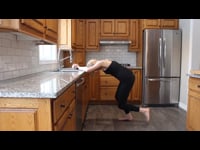
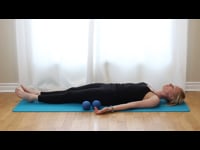
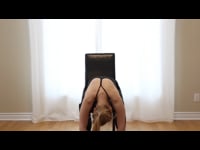
Patient exercises included in this course
-
Face the Day: Full Body
-
Face the Day: Pelvic
-
Remapping of the Pelvis/Hips/Sacrum/Tailbone
-
Remapping Exercises for Relaxed Sitting
-
Remapping Exercises for Dynamic Sitting
-
Lower Qi Gong


This course has exercises. Can I prescribe them to my patients?
Yes, exercises included in courses or resource packages on Embodia can be prescribed directly through the Embodia platform. A Tier 2 or 3 Membership is required to prescribe exercises. These memberships include a range of other features. You can learn about home exercise programs (HEP) on Embodia here, and about memberships on Embodia here.